2026-09-30
"I Was Diagnosed with Accessory Breast Tissue, but Why Is It So Hard to Find a Surgical Clinic?" — A Surgeon Explains
A surgeon explains why accessory breast surgery clinics are hard to find, discussing vital-care priorities, traditional incision limits, and necessary surgical infrastructure.
Hello. I am Sung-il Cho, a general surgeon currently practicing at a small surgical clinic.
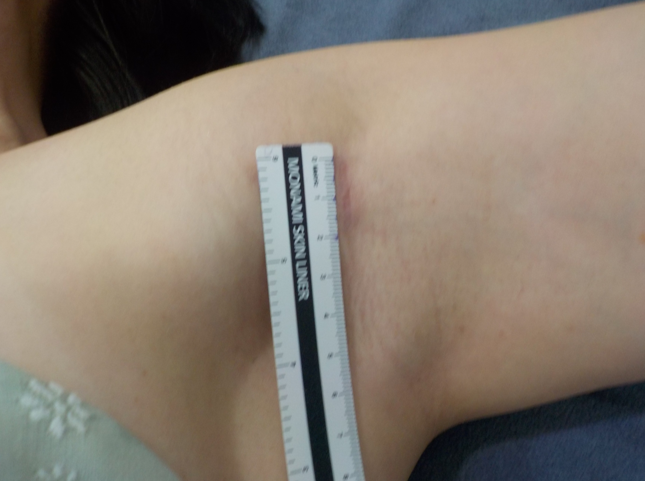
Many patients visit breast surgery clinics or health screening centers due to pain or lumps in the axillary (armpit) area and receive a diagnosis of an "accessory breast" (polymastia). However, after diagnosis, many find themselves at a loss when advised to "look for a hospital capable of performing surgery if needed."
While ultrasound diagnosis of accessory breasts is easily performed at most outpatient surgical clinics, why is it so challenging to find a facility that actually carries out surgical treatment?
From the perspective of a general surgeon, I would like to share three key reasons.
1. The Difference in Perspective Between Surgeons Handling Vital Conditions and Patients Experiencing Discomfort
During their residency training, general surgeons primarily handle critical, life-threatening conditions (vital care)—such as breast cancer, thyroid cancer, and acute surgical emergencies.
Because of this background, surgeons often tend to view an accessory breast simply as "benign mammary gland tissue that poses no immediate threat to life." Since it is not life-threatening, it often does not become a high clinical priority for surgical intervention from a traditional standpoint.
However, the reality experienced by patients is quite different. The recurring underarm pain that follows the menstrual cycle, as well as the heaviness and foreign sensation felt when wearing ordinary clothing, are pressing issues that significantly impair quality of life, regardless of whether they are life-threatening.
This discrepancy in how the condition is perceived is the primary reason why diagnoses often do not lead to surgery.
2. Limitations of the Traditional Incision Method and the Burden of Aesthetic Outcomes
Traditional accessory breast surgery involves making a large underarm incision of at least 5 cm, often extending to around 10 cm, to resect both the glandular tissue and surrounding fat en bloc. Most facilities that perform accessory breast excision use this approach, and it remains difficult to find clinics that perform minimal-incision surgery like the technique I utilize.
However, the axilla is an area with high joint mobility and very thin skin. A large incision can easily compromise the surgical outcome, leaving prominent, elongated scars or contour depressions in the tissue.
Because surgery resulting in substantial scarring can cause another source of stress for the patient, surgeons themselves often feel burdened by the prospect of performing traditional wide-incision procedures.
3. The Need for Specialized Infrastructure to Balance Glandular Excision and Fat Contouring
Achieving a refined outcome in modern accessory breast surgery requires more than just carving out mammary gland tissue.
Taking into account the anatomical structure of the axilla, the procedure requires precise excision of the glandular tissue through a minimal incision window while uniformly contouring the thickness of the surrounding subcutaneous fat layer.
To achieve this, several elements are essential:
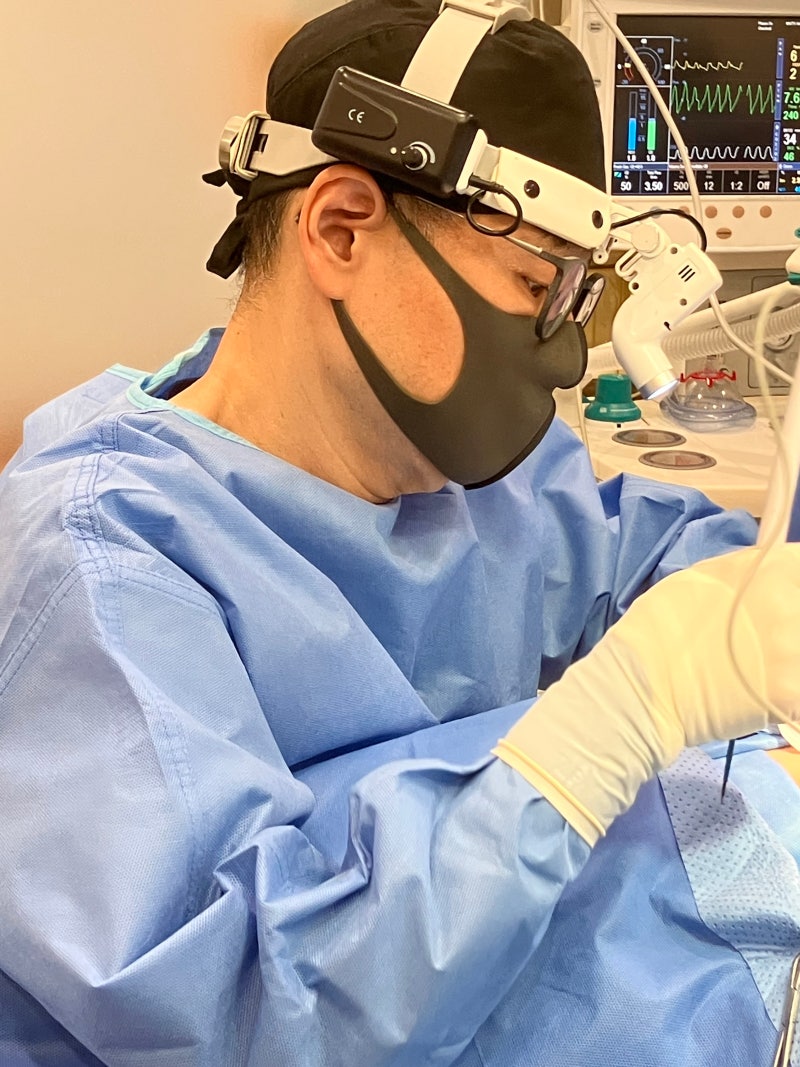
High-resolution intraoperative ultrasound and specialized liposuction surgical equipment for meticulous operation
An operating room infrastructure capable of delicate adjustments
An in-depth anatomical understanding of surgical trauma and refined surgical techniques
Without such dedicated surgical setups and technical expertise, it is realistically difficult for standard primary clinics to perform accessory breast surgery on-site.
Closing Thoughts: The Honest Time Required for Postoperative Healing
Surgery is inherently a form of controlled trauma inflicted on the body. Even after the glandular tissue is completely removed and tissue contours are smoothed, sufficient time and physiological recovery are indispensable for the tissues to settle and stabilize naturally.
Rather than exaggerating or focusing solely on rapid recovery, a surgeon's role is to operate meticulously according to sound surgical principles and provide honest, physiology-based guidance throughout the recovery journey.
If you have been diagnosed with an accessory breast and are contemplating surgery, consider seeking medical care from clinicians who empathize with your daily discomfort and strive for high surgical refinement beyond mere diagnosis.
Tel: 031-696-1212
Accessory Breast Surgery Hotline (Call/Text): 010-3493-0013
KakaoTalk ID: theu114
KakaoTalk Channel: Bundang The U
Frequently Asked Questions
Why is it difficult to find a clinic that performs surgery after being diagnosed with an accessory breast?
This is due to differences in clinical priorities and the lack of dedicated surgical infrastructure. Surgeons may view it as a benign condition without vital risks, lowering its priority, while many primary clinics lack specialized equipment—such as precision liposuction tools and intraoperative ultrasound—and are constrained by the scarring risks of traditional wide incisions.
What are the limitations of the traditional surgical approach for accessory breasts?
The primary drawbacks are prominent scarring and a higher risk of tissue indentation. Traditional excision uses a large 5–10 cm incision to remove gland tissue and fat en bloc. Because the axillary skin is thin and subject to frequent movement, this approach carries a high likelihood of noticeable scars or tissue deformities.
What is required to achieve a refined, high-quality accessory breast surgery?
It demands specialized surgical infrastructure alongside delicate surgical expertise. Rather than simple excision, the surgeon must precisely remove the glandular tissue through a minimal incision while uniformly contouring the surrounding fat. This requires high-resolution ultrasound, specialized liposuction equipment, and a well-equipped operating room.
How much time is needed for recovery after accessory breast surgery?
Adequate time is essential for the tissues to stabilize and settle into natural contours. Because surgery represents tissue trauma, physiological healing is necessary even after successful gland removal. It is important to adhere to honest postoperative care based on surgical principles rather than expecting unrealistic, instantaneous recovery.